
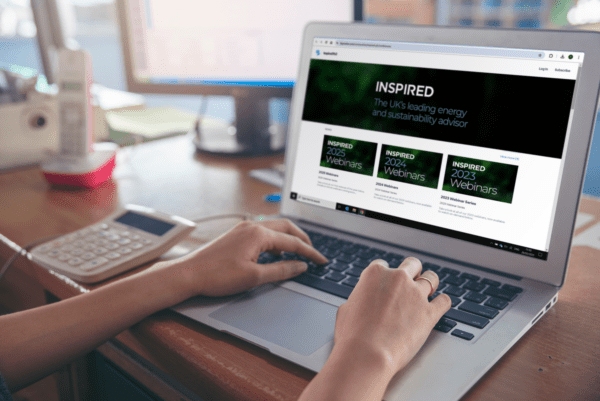







COP30 Insights Hub
Welcome to the COP30 Insights Hub
COP30 is over: what are your next steps?
10th – 21st November 2025
From 10th to 21st November, Belem, Brazil hosted COP30 – the United Nation’s 30th annual global climate change conference.
Throughout COP30, we monitored all decisions made and published updates to help you understand how these decisions will impact your organisation.
Our experts shared lots of useful blogs and guides around all the different themes- check them out below!
Webinar: From COP30 to Boardroom
Translating global climate decisions into corporate decarbonisation and reporting
As COP30 concluded, we took an in-depth look at the outcomes of the UN climate conference; shaping global climate policy for the decade ahead. We reviewed key decisions on finance, energy security and barriers to progress, translating these into practical steps for corporate decarbonisation and ESG reporting.
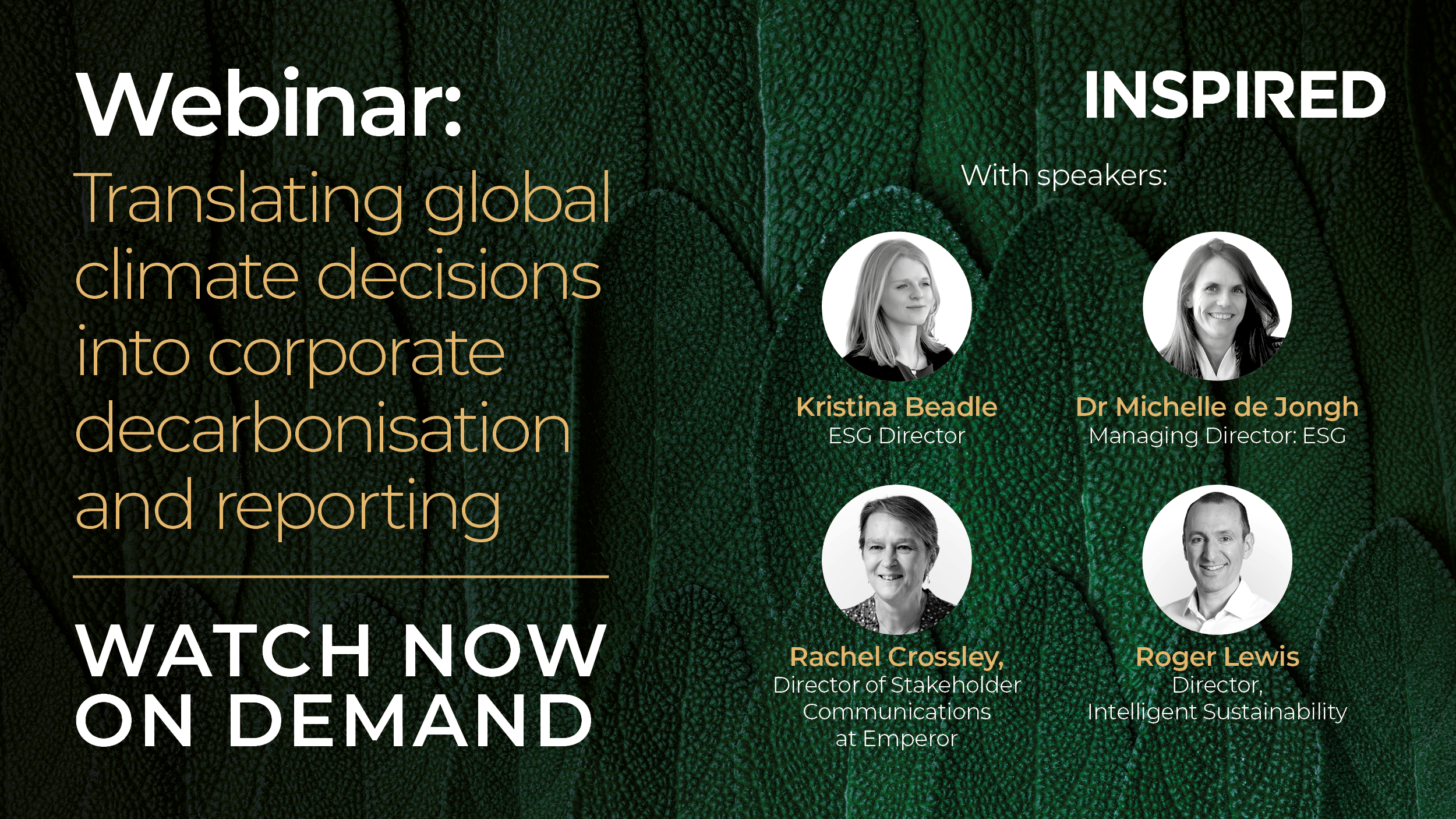
We covered how to align your sustainability goals with evolving regulations, communicate progress credibly and report effectively to investors.
The session bridged global climate ambition with actionable business strategy but don’t worry if you missed it; you can watch it back on-demand below.
Turn COP30 insights into a competitive advantage and lead your organisation confidently toward a low-carbon future.
What are the themes this year?
Here are the main items on the agenda discussed:
Cities, Infrastructure & Water
Turning waste into climate solutions

Turning waste into climate solutionsWe believe in the power of innovation and technology to transform waste management, reducing the environmental footprint. Here’s how we can make a difference together.
Local Authorities: Leading the Climate Action at Ground Level

Local Authorities: Leading the Climate Action at Ground LevelAs the world faces the escalating challenges of climate change, it’s local authorities who increasingly emerge as pivotal forces for impactful solutions.
Is AI and green innovation driving the net-zero transition?

Is AI and green innovation driving the net-zero transition? Artificial Intelligence and green innovation are two of the most powerful forces currently driving the global net-zero transition.
Why Climate-Resilient Cities Are Non-Negotiable
Why Climate-Resilient Cities Are Non-NegotiableBuilding climate-resilient cities is not optional; it is essential. Our cities must evolve as climate conditions intensify.
Human and Social Development
The Hidden Cost of Climate Change on Human Productivity

The Hidden Cost of Climate Change on Human ProductivityWhen we think of climate change, we often picture rising sea levels, melting polar caps or extreme storms. However there’s a less visible impact, the toll it takes on human productivity.
Cutting through the noise with meaningful climate reporting

Cutting through the noise with meaningful climate reportingCorporate sustainability may be stuck in muddy waters, but stakeholders still want to see effective management of climate-related risks and opportunities.
Energy, Finance and Transport
Linking the financial system together

Linking the financial system togetherA company accessing debt or equity capital is at the end of a four-link chain. Here’s how the financial system is linked together.
Using Risk, Carbon Markets and Taxes for Climate Mitigation
Using Risk, Carbon Markets and Taxes for Climate MitigationCarbon pricing, taxes, and markets are powerful tools for managing climate risk and driving the transition to a low-carbon economy.
Energy Security: Navigating the Transition to Low-Carbon Power

Energy Security: Navigating the Transition to Low-Carbon PowerLet’s explore how renewable energy, storage, and smart grids can secure supply, and how advanced energy modelling has prevented system failures during extreme events.
Forests, Oceans and Biodiversity
Forests, Oceans and Biodiversity: The Planet’s Life Support System

Forests, Oceans and Biodiversity: The Planet’s Life Support SystemForests, oceans, and biodiversity are not optional—they are the foundation of life and business. Protecting them is both an ecological imperative and an economic strategy for resilience and growth.
How can windfarms be better for biodiversity?
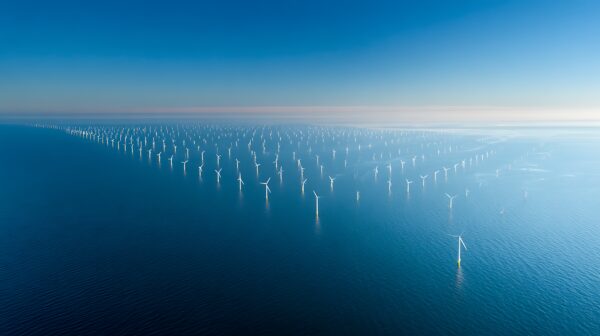
How can windfarms be better for biodiversity?Offshore wind farms, when carefully designed and managed, can not only generate clean energy but also actively support and improve marine biodiversity.
Protecting Oceans and Livelihoods

Protecting Oceans and LivelihoodsFor businesses, neglecting marine health is no longer just an environmental concern; it is a material financial risk.
Where is our natural capital in the climate equation?

Where is our natural capital in the climate equation?How Forests Protect Us: The Carbon, Climate, and Human Benefits of Nature
Agriculture & Food Systems
Driving sustainability in emerging economies

Driving sustainability in emerging economiesSustainability in emerging economies is both a local development priority and a global climate necessity.
Feeding a changing climate

Feeding a changing climateNavigating climate risks in agriculture and global supply chains requires expertise, strategy, and actionable insights.
Weekly Round-ups
COP30 Week One Round-Up
COP30 Week One Round-UpHere’s everything you need to know about the key developments from week one of COP30.
COP30 Week Two Round-Up
COP30 Week Two Round-UpHere’s everything you need to know about the key developments after the conclusion of COP30.
“How we respond to the changing climate requires collaboration between world leaders, governments, businesses, and society to mitigate the effects on people and the planet. Events like COP are pivotal in bringing countries together and moving us closer to achieving the targets set out in the Paris Agreement.
Businesses play a crucial role in helping the UK achieve its targets
and through our expertise, we are committed tosupporting them in mitigating risks and capitalising on the opportunities in a low-carbon future.“As with any highly publicised global event, the Climate COPs tend to attract a lot of coverage with conflicting views and biases. This means it can be challenging to sift through the influx of information but with our support, organisations can focus on their daily responsibilities and digest the insights at their convenience.”
Dr Michelle de Jongh
Managing Director: ESG
Sign up to receive COP30 Insights
Your dedicated resource for everything you need to know.
We’ll monitor all the decisions being made to help you understand how they will impact your organisation.